
Dried Fruit Comparison
Raisins, Figs, Apricots: Which Dried Fruit Should You Buy?
Compare kishmish, anjir, and apricot by taste, texture, price band, use case, storage, gifting fit, and how to choose the right dried fruit pack.
Quick Answer
Choose kishmish when you want a sweet, easy daily dried fruit for snacks, sweets, or family use. Choose anjir when you want a richer, more premium dried fruit for gifting or special use. Choose apricot when you want a soft, tangy-sweet dried fruit that works well in mixes and snack bowls.
Key Takeaways
Kishmish is the easiest everyday option among the three.
Anjir feels more premium and works well in gift boxes and richer dried fruit mixes.
Apricot is useful when you want a softer, tangy-sweet dried fruit profile.
Compare live prices because dried fruit rates can move with season, grade, and demand.
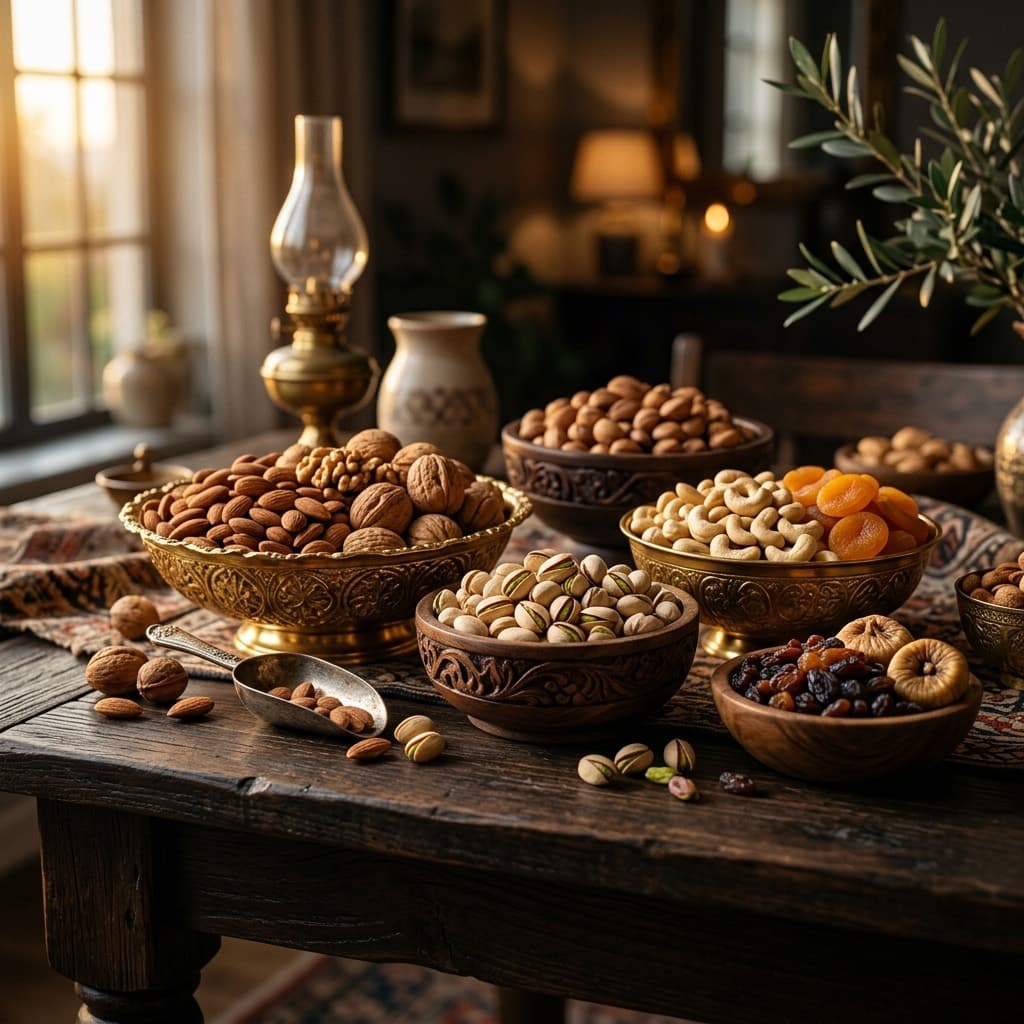
Kishmish, anjir, and apricot all sit under dried fruits, but they solve different buying needs. Kishmish is usually the easiest everyday choice. Anjir feels more premium and gift-worthy. Apricot brings a softer, tangy-sweet profile that works well in dried fruit mixes and snack bowls.
Quick comparison: Kishmish vs Anjir vs Apricot
Dried fruit comparison by buying need
Current Annapurna Mewa dried fruit prices
Current dried fruit prices
Prices are pulled from live product records. Dried fruit prices may change with crop, grade, season, demand, and pack size.
Kishmish
Naturally sweet raisin option for daily use, sweets, and snack mixes.
Anjir
Dried Fruits
Premium dried fig option for richer mixes and gifting.
Apricot
Dried Fruits
Soft dried fruit option with a tangy-sweet profile.
When to buy Kishmish
Buy kishmish when you want a simple, sweet dried fruit that is easy to use often. It works in sweets, homemade mixes, snack bowls, festive cooking, and family packs. Before buying, check that the raisins look clean, smell fresh, and do not feel wet, clumped, or fermented.
When to buy Anjir
Buy anjir when you want a more premium dried fruit with a richer bite. It works well in gift boxes, premium dried fruit assortments, and snack plates where presentation and perceived quality matter. Good anjir should not smell sour, feel overly wet, or look dusty from poor handling.
When to buy Apricot
Buy apricot when you want a soft dried fruit that adds a different taste profile to the pack. Apricot is useful in snack bowls, mixed dried fruit jars, gifting assortments, and recipes where a fruitier bite is welcome. Check that pieces are clean, soft but not wet, and free from stale or fermented smell.
Quality checks for dried fruits
Quality checks before buying
How to use them in a dry fruit gift box
For a balanced gift box, use one everyday sweet dried fruit, one premium dried fruit, and one richer nut. A practical mix could include Kishmish, Anjir, Apricot, plus almonds, cashews, pista, or walnuts. This gives variety without making every item expensive.
Final buying advice
Choose kishmish for everyday sweetness, anjir for a premium dried fruit feel, and apricot when you want a softer fruit note in the mix. If you are buying for gifting, combine dried fruits with premium nuts instead of buying only one product type. If you are buying for regular home use, start with smaller packs until you know how quickly your household finishes them.
About this guide
Author: Annapurna Mewa, Premium Dry Fruits Specialist
Annapurna Mewa helps customers choose dried fruits and nuts by freshness, use case, pack size, and current product availability.
Last reviewed: 30 July 2026
FAQs
Which is better for daily use: kishmish, anjir, or apricot?
Kishmish is usually the easiest everyday dried fruit because it works in snacks, sweets, and mixed packs. Anjir and apricot feel more specific and premium depending on use case.
Which dried fruit is best for gifting?
Anjir usually feels more premium for gifting, especially when paired with apricot, kishmish, almonds, cashews, pista, or walnuts.
How do I check dried fruit quality?
Check smell, texture, appearance, and packaging. Avoid dried fruits that smell sour, fermented, stale, or musty, or feel wet and poorly packed.
Why do dried fruit prices change?
Prices can change with crop supply, season, grade, demand, storage, and pack size. Use live product prices before ordering instead of relying on old static rates.
Related Topics
Related Products
Kishmish
250gr: ₹175 / 500gr: ₹350 / 1kg: ₹700
Anjir
Dried Fruits
250gr: ₹375 / 500gr: ₹750 / 1kg: ₹1,500
Apricot
Dried Fruits
250gr: ₹275 / 500gr: ₹550 / 1kg: ₹1,100
Premium Mamra
Almonds
250gr: ₹1,000 / 500gr: ₹2,000 / 1kg: ₹4,000
Premium Cashew
Cashews
250gr: ₹320 / 500gr: ₹640 / 1kg: ₹1,280
Related Guides
Dry Fruits Price List Today
Understand why dry fruit rates change monthly and compare current live prices for almonds, cashews, pista, walnuts, raisins, figs, and more.
Mamra Badam Price Guide
Learn what affects Mamra badam price, how to compare it with California almonds, and what quality checks matter before buying.
Need help choosing a dried fruit mix?
Message Annapurna Mewa to compare current Kishmish, Anjir, and Apricot prices and build the right pack for daily use or gifting.
Ask on WhatsApp